

How to Know It’s Time for New Window Installation
Replacing your home’s windows is one of the most impactful upgrades you can make, improving energy efficiency, curb appeal, and indoor comfort all at once. Understanding what goes into professional window installation helps you set realistic expectations, choose the right contractor, and avoid costly mistakes.
Key Takeaways
- Know the warning signs that indicate your windows need replacing before energy bills climb higher.
- Professional installation typically takes one to two days for a standard single-family home.
- The U.S. window replacement services market was valued at $11.56 billion in 2024 and is projected to reach $16.24 billion by 2033, reflecting strong, sustained homeowner demand (Verified Market Reports, 2025).
- Proper preparation before your installer arrives can shave hours off the project timeline.
- A correctly installed window should open and close smoothly, seal tightly, and show no gaps, drafts, or moisture between panes.
- Choosing a reputable local contractor, like Knoxville Window Company, ensures the work meets regional code requirements and manufacturer warranties.
Why the U.S. Window Market Is Growing Fast
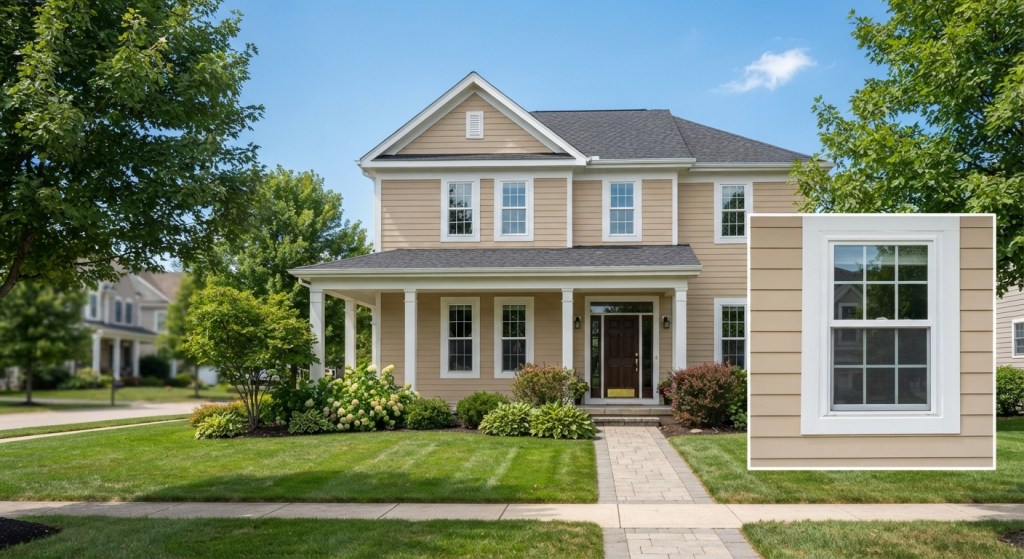
Demand for window replacement is not slowing down. According to Verified Market Reports (2025), the window replacement and installation market was valued at $12.5 billion in 2024 and is projected to reach $20.1 billion by 2033, exhibiting a 6.1% CAGR from 2026 to 2033. That growth reflects a combination of aging housing stock across the country, tighter energy codes, and rising homeowner awareness about the return on investment that new windows deliver.
The Fenestration and Glazing Industry Alliance published its 2025 Market Study update in May 2025, noting that demand for prime windows fell by 2% in 2024, while demand for windows in new housing increased by 1% in 2024. That split tells a nuanced story: new construction is pulling the market forward even as some replacement segments soften. For existing homeowners, this means a competitive contractor marketplace and, in many cases, shorter wait times for scheduling.
Residential projects continue to dominate. In 2024, the residential segment made up 58.74% of the windows and doors market, according to Amra and Elma (2025). The U.S. commercial windows market was separately valued at $3.11 billion in 2024, per Grand View Research’s U.S. commercial windows industry analysis. Whether you own a single-family home or manage a small commercial property, the market is producing more options, better technology, and greater competitive pricing than at any point in the past decade.
Clear Signs Your Home Needs New Windows
Before you call a contractor, it helps to confirm that replacement is actually the right move. There are several reliable indicators that your existing windows have reached the end of their useful life.
Rising energy bills without a clear cause are one of the most common warning signs. Single-pane windows and older double-pane units that have lost their argon fill allow heat to transfer freely, forcing your HVAC system to work harder. If your heating and cooling costs have crept upward year over year, your windows could be the culprit.
Visible damage or decay is another straightforward sign. Warped frames, rotting wood, cracked glazing, or fogging between the panes all signal that the window’s structural and thermal integrity has failed. Foggy double-pane glass in particular means the gas seal has broken, eliminating most of the insulation benefit.
Difficulty operating windows matters more than people realize. A window that sticks, rattles, or refuses to lock is a security and ventilation issue, not just an inconvenience. In some cases, swelling from moisture infiltration has warped the frame beyond adjustment.
Outdoor noise transmission is a softer indicator, but homeowners near highways, airports, or busy streets often notice a dramatic reduction in noise once they switch to modern laminated or triple-pane glass. If street noise feels unusually intrusive, your current glazing may no longer be providing adequate acoustic insulation.
Condensation on the interior glass surface during winter is normal when interior humidity is high, but condensation between panes is not. That trapped moisture confirms a failed seal and means the window is no longer performing as designed.
If you recognize three or more of these signs in your home, it is time to consult a professional. To learn more about the team behind the work, visit the about us page at Knoxville Window Company.
What Happens During the Installation Process
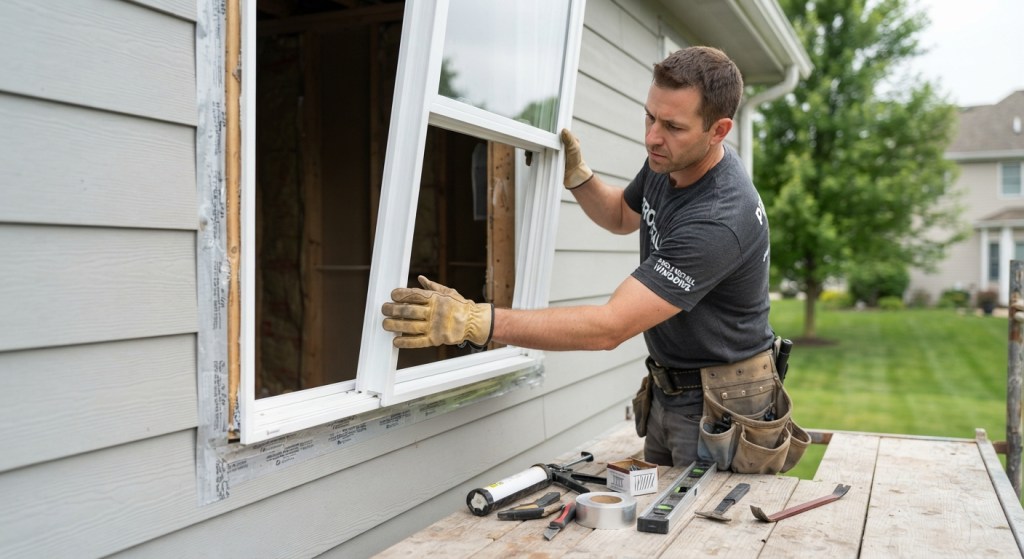
Understanding the installation sequence helps you feel confident on the day the crew arrives. Professional installers follow a consistent workflow, though the details vary by window type, frame material, and the condition of the existing opening.
Step 1: Removal of existing windows. The crew carefully removes interior trim, lifts out the old sash or entire frame unit, and inspects the rough opening for rot, insect damage, or structural issues. Any problem discovered here needs to be addressed before the new unit goes in.
Step 2: Preparation of the rough opening. Installers check that the opening is plumb, level, and square. Shimming and flashing are applied to create a watertight, structurally sound seat for the new window.
Step 3: Setting and securing the new window. The window is placed into the opening, checked again for level and square, and fastened to the framing. Proper fastening depth and placement are critical for both performance and warranty compliance.
Step 4: Insulation and air sealing. Low-expansion spray foam or fiberglass batt insulation is packed around the frame perimeter to eliminate drafts. This step is often skipped by inexperienced contractors, leading to poor energy performance despite new glazing.
Step 5: Flashing and exterior sealing. Waterproof flashing tape is applied at the sill and head, and exterior caulk seals the gap between the window frame and the siding or masonry.
Step 6: Interior trim and finishing. Interior casing is reinstalled or replaced, and paint or stain touch-ups complete the finished look.
For a detailed overview of what a professional crew manages from start to finish, the window installation service page at Knoxville Window Company outlines the full scope of work.
Comparing Common Window Types
Choosing the right window type before installation begins is just as important as choosing the right contractor. The table below summarizes the most common options for U.S. homeowners.
| Window Type | Best Use Case | Average Lifespan | Key Benefit |
|---|---|---|---|
| Double-Hung | Most residential rooms | 20-25 years | Easy cleaning, great ventilation |
| Casement | Side-facing openings | 20-30 years | Superior air seal when closed |
| Slider | Wide, low openings | 15-20 years | Simple operation, space-saving |
| Awning | Bathrooms, high walls | 20-30 years | Opens in light rain |
| Bay/Bow | Living rooms, front facades | 20-30 years | Adds square footage appearance |
| Picture | Views, accent walls | 30+ years | Maximum light, no drafts |
Frame materials add another layer of choice. Vinyl frames are the most popular choice nationally because of their low maintenance and strong thermal performance. Fiberglass frames are more expensive but offer superior strength and longevity. Wood frames deliver the best aesthetics and can be repainted but require regular upkeep in humid climates. Aluminum frames are common in commercial settings due to their structural rigidity.

According to the HIRI Window Market Watch for 2026-2030, demand patterns show that homeowners and professionals are increasingly prioritizing energy performance over price alone, which is shifting the market toward triple-pane and fiberglass options in colder climate zones.
How to Choose the Right Contractor
The quality of the installation matters just as much as the quality of the window itself. A premium window installed poorly will underperform a mid-range window installed correctly. Here is what to look for when vetting contractors.
Licensing and insurance. In Tennessee, contractors must carry appropriate licensing and liability insurance. Never hire a crew that cannot produce both on request. According to IBISWorld’s U.S. window installation market size data, there are thousands of active firms in this sector, so you have leverage when it comes to vetting candidates.
Manufacturer certification. Many window brands offer certified installer programs. A certified installer has completed brand-specific training, which typically means the product warranty extends to cover labor as well as materials.
Local reputation and references. National chains can offer competitive pricing, but local contractors with deep community roots tend to be more accountable. Ask for references from jobs completed in the past 12 months and take the time to follow up.
Written quotes and scope of work. A professional quote should detail the window brand, model, series, glass package, frame material, hardware finish, and every step of installation from demolition to finishing. Vague quotes often lead to unexpected charges.
Permit knowledge. Depending on your municipality, window replacement may require a permit, particularly if structural changes to the rough opening are involved. Your contractor should know local code requirements and pull any necessary permits on your behalf.
A 2023 survey of top window and door manufacturers found that 91% reported growth over the past five years, according to ConsumerAffairs (2024). That growth has brought new entrants into the market, making careful contractor vetting more important than ever. For a broader look at market trends and manufacturer performance, the Mordor Intelligence windows and doors market report provides useful context.
How to Prepare Your Home Before the Crew Arrives
A little preparation goes a long way toward keeping the project on schedule and protecting your belongings.
- Clear furniture, rugs, and decor within three to four feet of every window being replaced, on both interior and exterior sides.
- Remove curtains, blinds, and window treatments at least one day before the installation date.
- Secure or relocate pets to a safe area of the home, away from the work zones.
- Protect flooring with drop cloths if you have hardwood or delicate tile near the windows.
- Make sure the installation crew has clear, unobstructed access from the street or driveway to the work areas.
- Confirm your parking situation so crew vehicles and material deliveries do not create neighborhood issues.
- Do a walkthrough with the lead installer before work begins to confirm the scope, address any last-minute questions, and note any pre-existing damage to trim or walls.
Frequently Asked Questions
Q: How do you know when it’s time for new windows?
Rising energy bills, visible frame damage, fogging between panes, and difficulty operating your windows are the clearest indicators that replacement is needed.
If your home was built before the 1990s and the windows have never been replaced, there is a strong chance they no longer meet modern energy code standards. A professional energy audit can quantify the heat loss and help you build a financial case for replacement.
Q: How long should it take to install new windows?
A professional crew can typically install one window in 30 to 60 minutes, making a full-home replacement of eight to twelve windows completable in one or two days.
Factors that extend the timeline include rotted framing that needs repair, windows with non-standard dimensions, or difficult access on upper floors. Custom-sized or specialty windows may also require additional time for careful fitting.
Q: How to tell if a window is installed correctly?
A correctly installed window sits plumb and level, operates smoothly, locks securely, shows no visible gaps at the frame perimeter, and produces no drafts when tested with a candle or incense stick.
You should also check that the exterior caulk is continuous with no breaks, that the interior trim sits flush against the wall, and that there is no rattling when the window is closed. Any contractor worth hiring will walk you through a post-installation inspection before leaving the job site.
Q: Can windows be installed in one day?
Yes, most standard residential projects involving four to ten windows of average size can be completed in a single working day by an experienced crew.
Projects that span multiple days typically involve a large number of windows, complex specialty shapes, significant structural repairs to rough openings, or logistical delays with material delivery. Confirm the expected timeline with your contractor at the time of quoting.
Q: How to prepare for new window installation?
Clear the area around each window, remove all window treatments, secure pets, protect flooring, and ensure the crew has unobstructed access to both the interior and exterior of every opening.
Communication with your installer beforehand is equally important. Confirm start time, parking arrangements, and what happens if a problem is discovered during demolition. A brief pre-job walkthrough prevents most day-of surprises.
The Bottom Line on Window Installation
New windows are a long-term investment in your home’s comfort, safety, and energy performance. The process is straightforward when you work with an experienced contractor who uses quality materials and follows a disciplined installation sequence.
If you are ready to take the next step, contact Knoxville Window Company to schedule a consultation and get a detailed written quote for your project.